
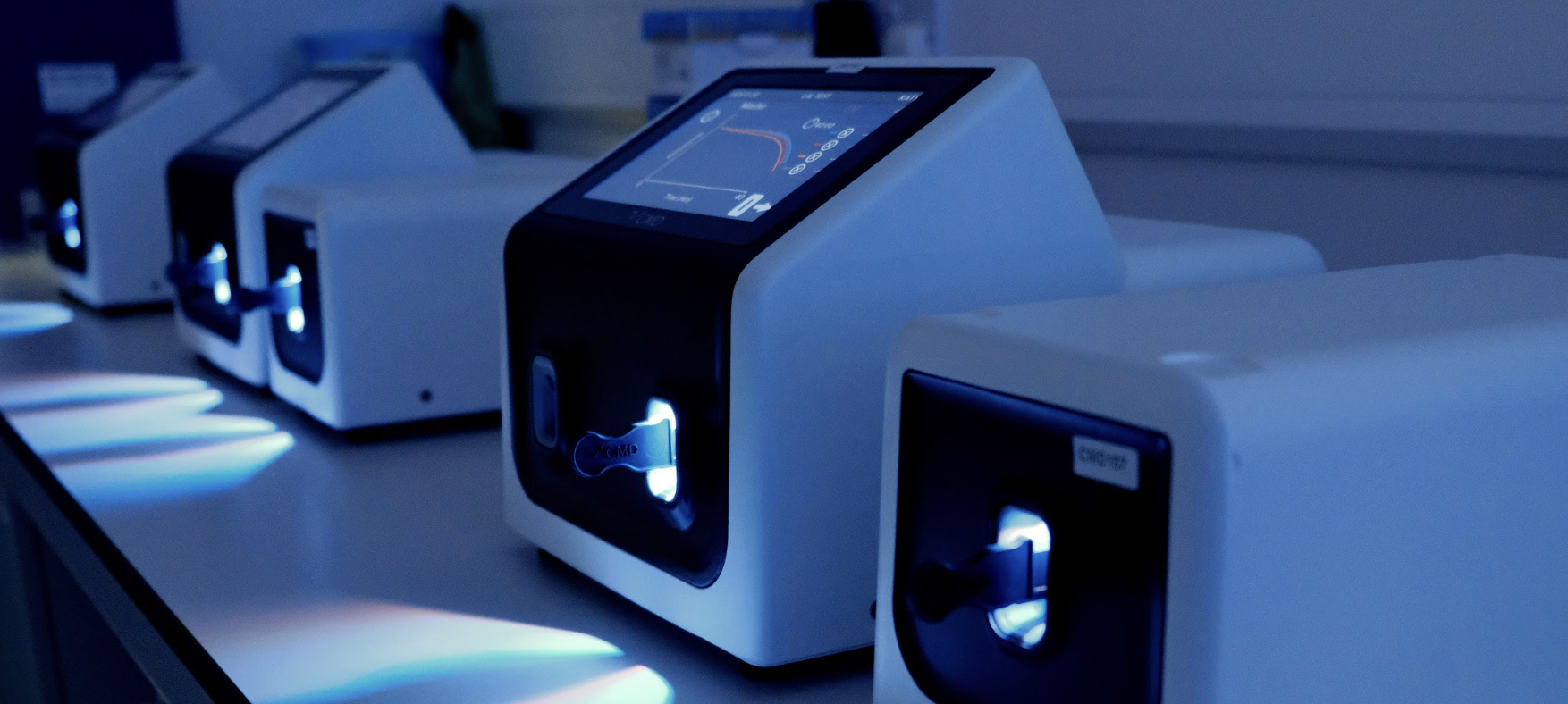
New to endotoxin texting?
If endotoxin testing is new to your organisation, the first challenge is rarely the assay itself — it is knowing where to start. CMD helps you define what is actually needed and choose the right route forward.
Starting endotoxin testing?
What this typically looks like in practice
For many teams, endotoxin testing does not begin as a planned capability. It becomes necessary at a specific point: when a product moves closer to clinical use, when a customer or partner introduces new requirements, or when existing microbiological controls are no longer sufficient on their own.
At this stage, the challenge is rarely technical in isolation. It is about understanding what is expected, how it applies to your product or process, and how to implement a testing approach that is both compliant and proportionate.
In practice, this often means working with incomplete information, balancing time pressure with regulatory expectations, and deciding whether to build internal capability or rely on external expertise.

Why this stage often feels more complicated than it should
-
For most organisations, it becomes a live issue when something changes: a product moves closer to clinical or commercial use, a customer introduces a requirement, or a quality team needs greater clarity around release and control. Teams are then expected to move quickly while still making sound decisions on scope, testing model and documentation.
-
"Sterile", "low bioburden" and "pyrogen-free" are not interchangeable with endotoxin control. A product can have low viable contamination and still present an endotoxin risk. These distinctions matter early (not only at inspection or during troubleshooting) and are worth resolving before a testing strategy is set.
-
New adopters rarely need a supplier that simply processes a sample and returns a result. They need help interpreting the context: what the sample is, what route makes sense, what information should be prepared, and whether outsourced testing or in-house capability is the better operational fit.

How CMD helps first-time users move forward
We help you define what is actually needed
The first step is not to fit every organisation into the same workflow. It is to understand your product, matrix, application and stage of development, then identify the most sensible testing route, including whether endotoxin testing is relevant at all, and what sample details will be required.
We remove unnecessary complexity
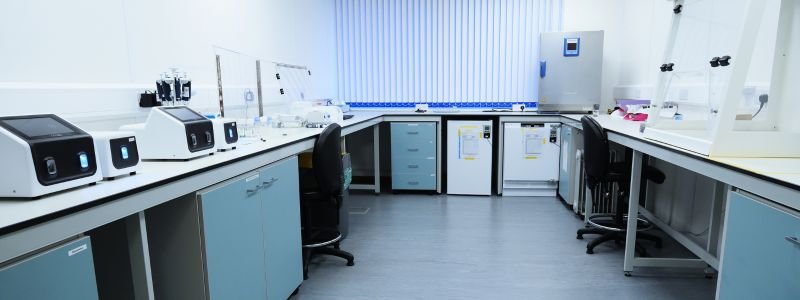
For organisations new to this area, complexity often comes from fragmented advice and poorly matched solutions. If outsourcing is the right choice, CMD provides a structured service model. If your volume and operational model point towards in-house implementation, αBET® offers a compliant system designed to simplify execution from day one.
We support the next step
Some clients come with one immediate requirement. Others are building a longer-term quality strategy. In both cases, the value lies in choosing an approach that works now without becoming a constraint later.
Application areas we support

Early-stage biotech or pharma teams
Moving from research or development into a more regulated phase, with a need to understand what testing becomes necessary, what data will be expected, and how to access it without disrupting the programme.
Teams with bioburden controls but no endotoxin-specific programme
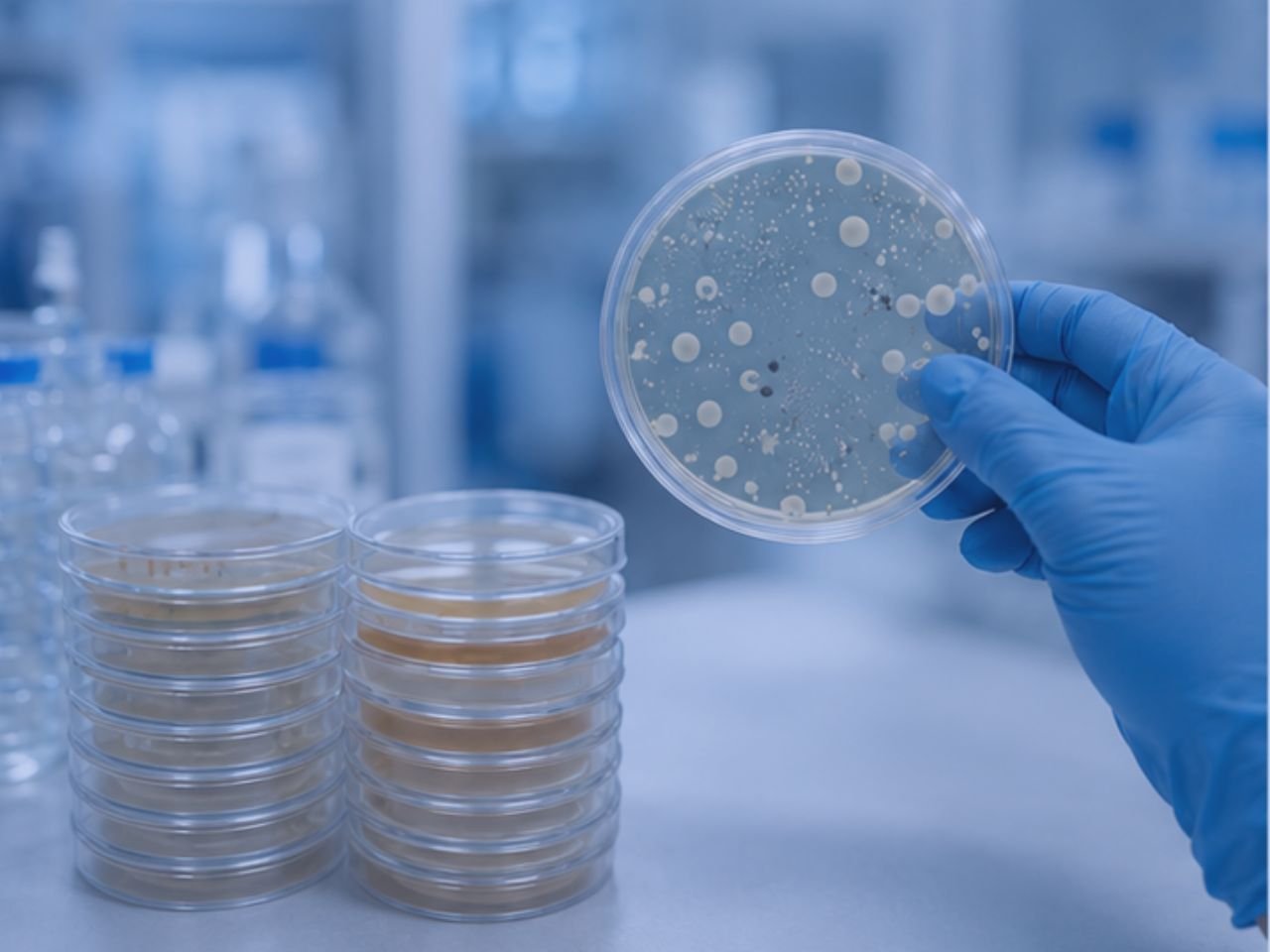
Existing microbiological controls are in place, but endotoxin needs to be addressed as a separate risk and regulatory requirement — not absorbed into existing bioburden workflows.

Manufacturers adding a new product or sample
Already operating in a regulated environment, but this product, material or process introduces a new endotoxin question that requires technically sound support without creating delay.
Organisations deciding between outsourcing and in-house implementation
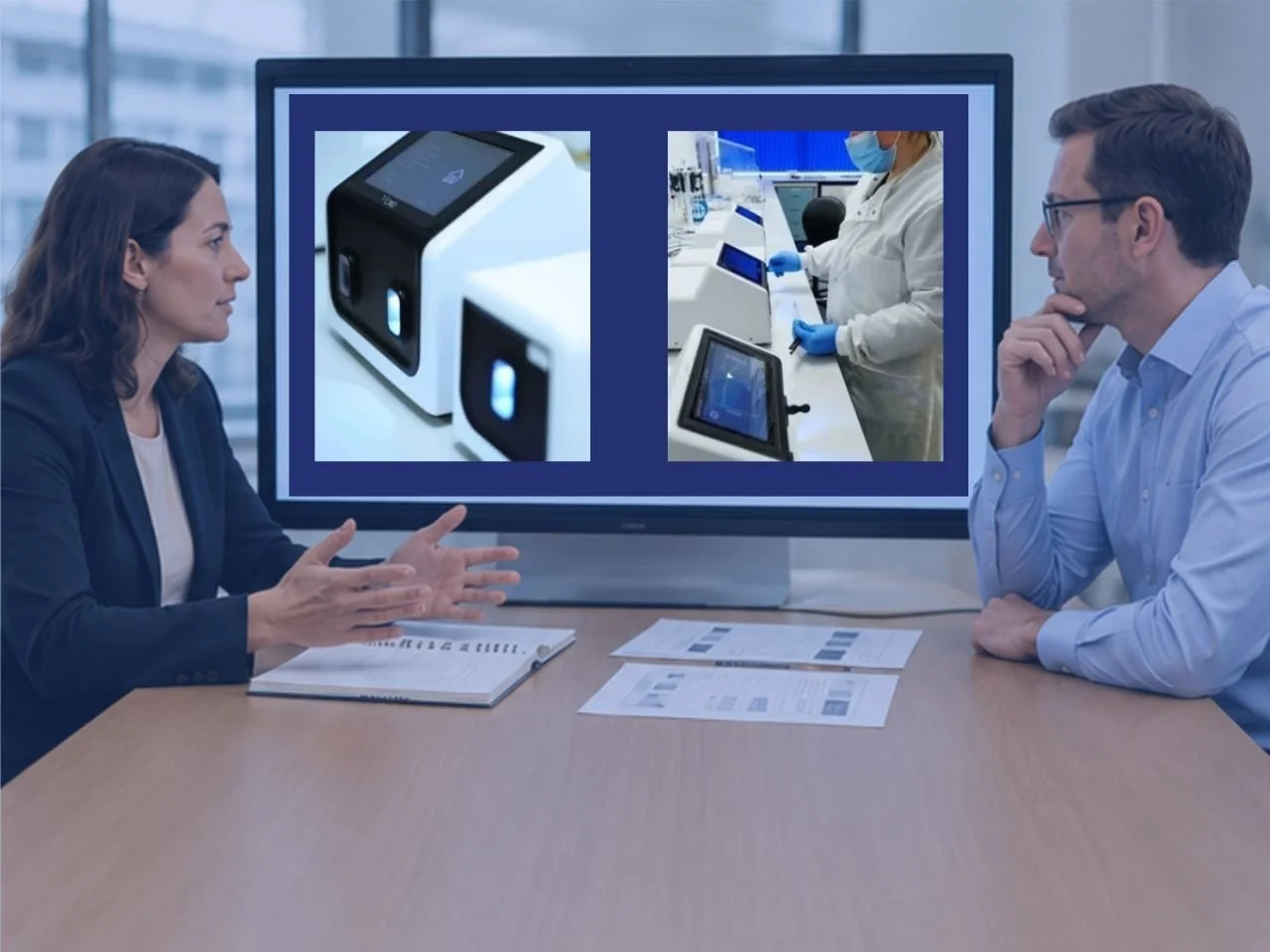
Testing frequency, turnaround needs and internal capability all factor into this decision. CMD can help assess which model makes sense at your current stage.
Why teams choose CMD at this stage
The conversation starts with your context

CMD's approach is practical rather than theoretical. The objective is not to walk first-time users through a generic framework, but to understand what is relevant to their specific product, process or water system and respond to that.
CMD supports both routes

You do not have to arrive already knowing whether outsourcing or in-house implementation is the right answer. CMD can support either model, which makes the initial discussion more useful and best fits your requirements and constraints.
The process should get clearer, not heavier

The best first experience of endotoxin testing is one that reduces ambiguity, identifies the right route quickly and sets you up for compliant progress.
Choose the support model that fits your opperation
Discover how our αBET technology or expert testing service can solve your specific needs
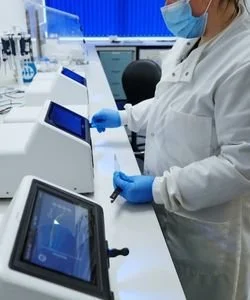
For many first-time users, outsourcing is the most practical route. It provides experienced support, structured reporting and a compliant testing pathway without capital investment or internal method set-up. It is particularly suited to teams with low or uncertain testing volumes, or those needing a clear first step.
Start with CMD's endotoxin testing service

Assess in-house implementation with αBET®
If endotoxin testing is likely to become routine, bringing it in-house may offer greater control, faster turnaround and lower recurrent cost. Worth considering when testing demand is increasing, turnaround affects operations or release timelines, or you want direct control over scheduling and execution.

Common misunderstandings worth resolving early
-
Bioburden testing addresses viable microorganisms. Endotoxin testing addresses bacterial endotoxin, which may still be present even where viable organisms are not. Treating one as a substitute for the other can lead to incorrect assumptions in both development and quality control.
-
The term “pyrogen-free” is often interpreted too broadly, particularly by teams entering regulated testing for the first time. Pyrogens include endotoxins, but are not limited to them. Where endotoxin is the specific concern, it must be assessed directly using an appropriate method.
-
The concern is understandable, but implementation is rarely as burdensome as it first appears. Many organisations start with outsourced testing to define requirements and generate data, then decide from a more informed position whether in-house capability is justified. With the right support, the first step is usually simpler than the full picture suggests.
Latest News and Resources



Talk to CMD
about your next step
If endotoxin testing is new to your organisation, the priority is not to know everything at once. It is to take the right next step. CMD can help you assess your requirement, define the most suitable route, and move forward with either outsourced testing or a practical in-house solution. Most conversations start with a straightforward question about your product or process.