
The Endotoxin Testing Blog
CMD blog posts is your source for guidance, regulatory insight, and practical strategies in endotoxin testing.
Whether you're working in pharma, biotech, diagnostics or medical devices, this blog is built for scientists, QA teams, and regulatory leads. Each post is authored by our team of scientific and regulatory specialists to help you make informed, compliant, and cost-effective decisions.

Coloured Samples in Chromogenic Endotoxin Testing: Why 405 nm Assays Fail and How αBET™ Helps
Coloured samples can obscure the optical signal used by chromogenic endotoxin assays, particularly when their absorbance overlaps the p-nitroaniline measurement wavelength at approximately 405 nm. This article explains why the interference occurs, why extensive dilution is not always an adequate solution and how αBET™ uses near-infrared magneto-optical detection to reduce the contribution from sample colour.
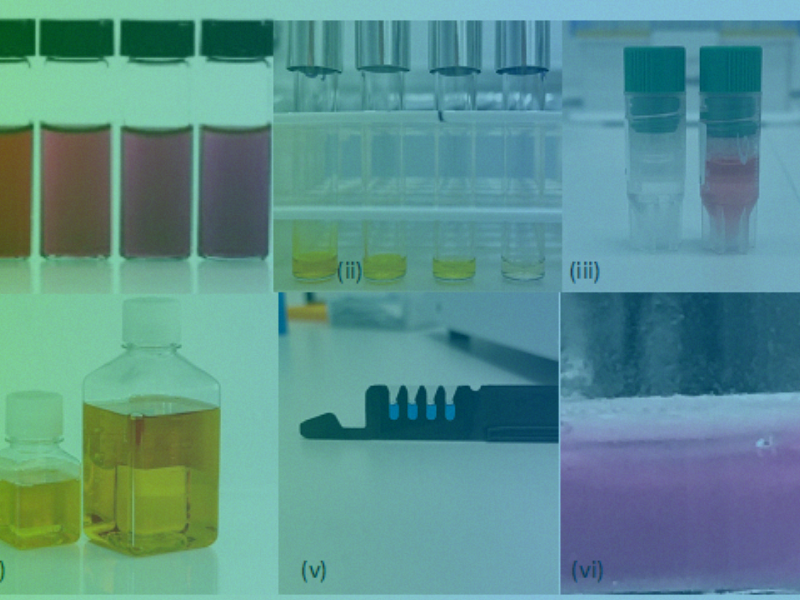
Samples that interfere with endotoxin assays: a modern dilemma
As biopharmaceutical samples become more complex, coloured, cloudy or particulate matrices can interfere with conventional endotoxin assays and compromise reliable detection. This article explores why these interferences matter, and how more robust testing approaches can help.

Low-Endotoxin Recovery (LER) in Biopharmaceutical Products
Low-endotoxin recovery (LER) is a time-dependent masking of endotoxin activity in certain biopharmaceutical formulations that can lead to underestimation of endotoxin levels by standard assays. Understanding its mechanisms, detection, and regulatory implications is essential to ensure patient safety and product quality.