
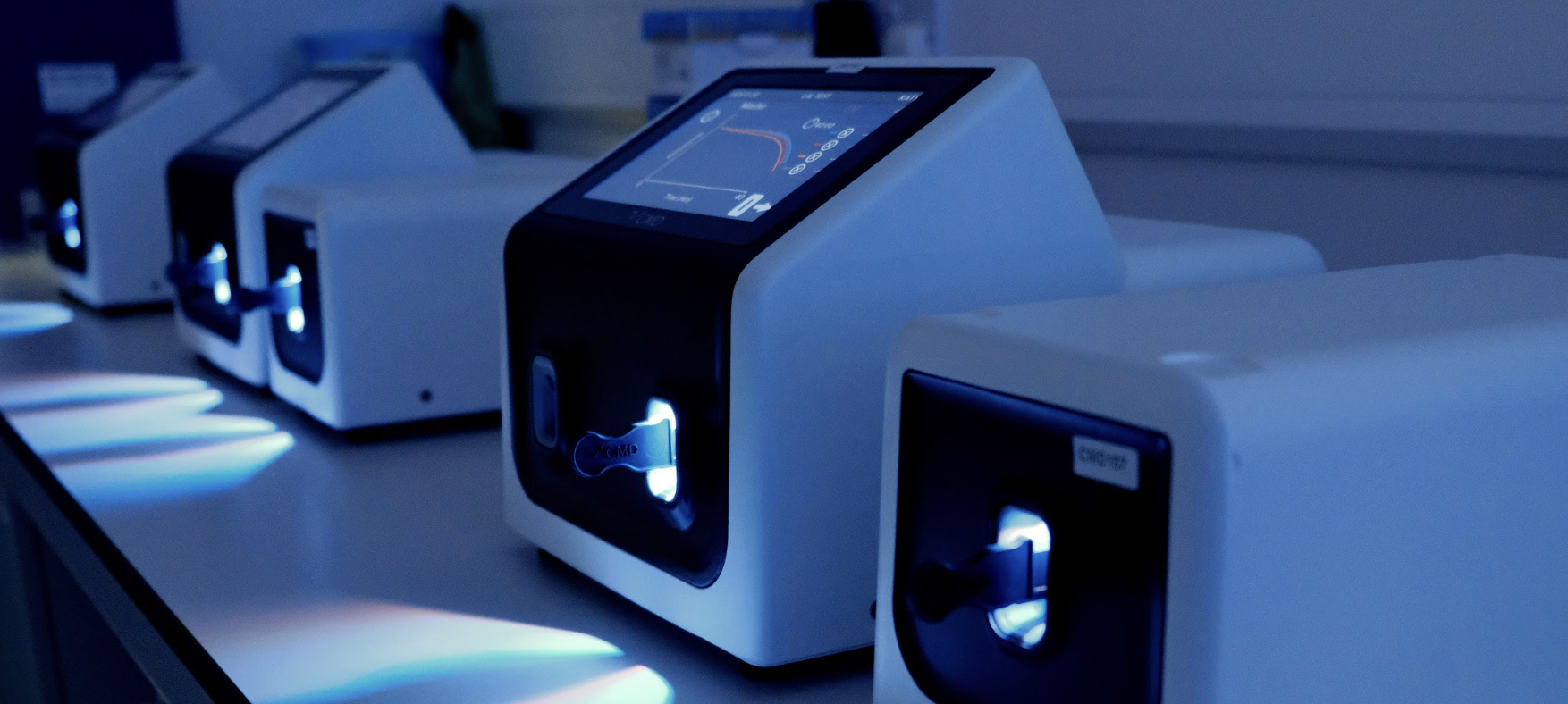
Accredited endotoxin testing for regulated decisions
UKAS-accredited endotoxin testing for routine and complex samples, with traceable results suitable for quality and regulatory decisions.
When the result must stand up to external review
Not every endotoxin test requires an accredited report. Accreditation becomes particularly relevant when results will be reviewed outside the immediate project team or used to support a formal decision.
The requirement may come from a customer specification, quality agreement, internal quality system, tender, development programme or regulatory strategy. Establishing this before testing begins helps avoid unsuitable data, repeated work and delays later in the programme.

Third-party accredited testing can provide additional confidence when qualifying suppliers, verifying product claims or responding to customer and auditor requirements.
Independent evidence
For challenging matrices, method interference or low endotoxin recovery, the result must be supported by a technically appropriate study, not treated as an isolated numerical value.
Complex analytical questions
Results used to approve raw materials, intermediates, finished products or critical water need an appropriate testing method and clear supporting documentation.
Release and quality decisions
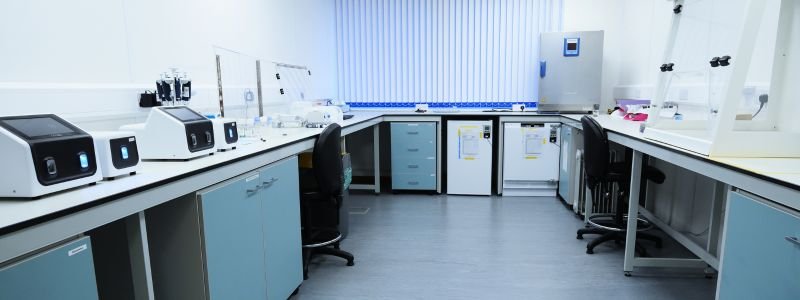
A credible result depends on more than the final number
ISO/IEC 17025 accreditation provides independent assurance of a laboratory’s competence, impartiality and consistent operation. For endotoxin testing, confidence also depends on whether the selected method is suitable for the product and the decision the result will support.
Demonstrated laboratory competence
Testing is performed within a controlled quality framework by personnel with the appropriate technical competence, equipment and procedures.
Method and matrix suitability
The test approach must account for the sample matrix, required sensitivity, applicable endotoxin limit and potential inhibition, enhancement or masking.
Traceable reporting
Structured documentation provides a clear record of the sample, method, test conditions, controls and reported result.
Accreditation does not replace product-specific method suitability
An accredited laboratory still needs to understand the sample, intended use and reporting requirement before selecting the appropriate testing route.
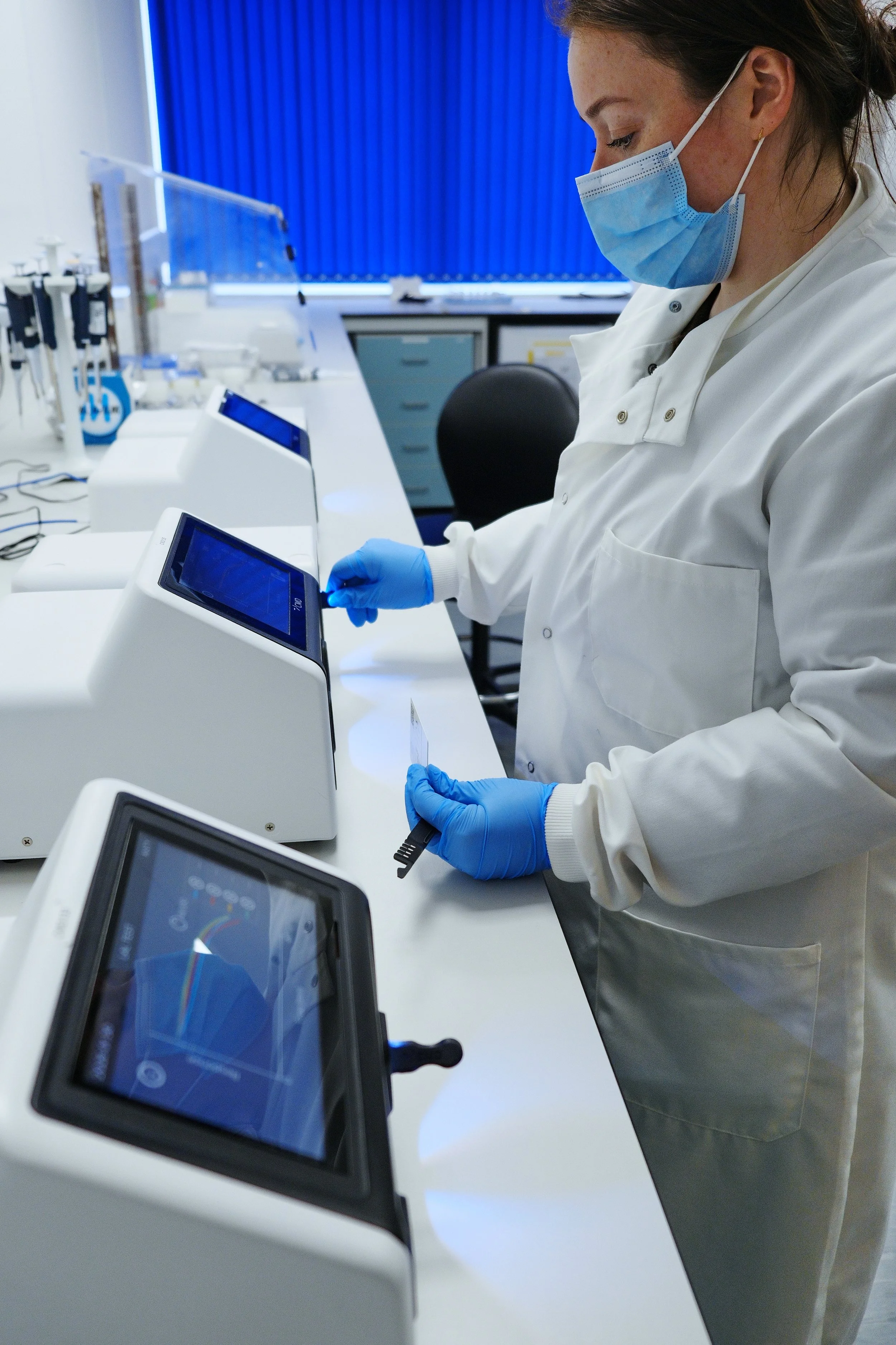
What to expect from CMD
Define the testing requirement
CMD reviews the sample type, intended use of the result, relevant limit or specification, available sample volume, formulation information and required turnaround.
Establish the appropriate approach
For established products, routine testing may be sufficient. New or challenging samples may first require method development, interference assessment, validation or an LER investigation.
Receive structured, traceable results
Testing is completed through CMD’s controlled laboratory workflow, followed by structured reporting and technical clarification where required.
Early technical review helps identify missing information, unsuitable samples or method-suitability questions before they affect the testing schedule.
When accredited endotoxin testing may be required
Batch release and quality control
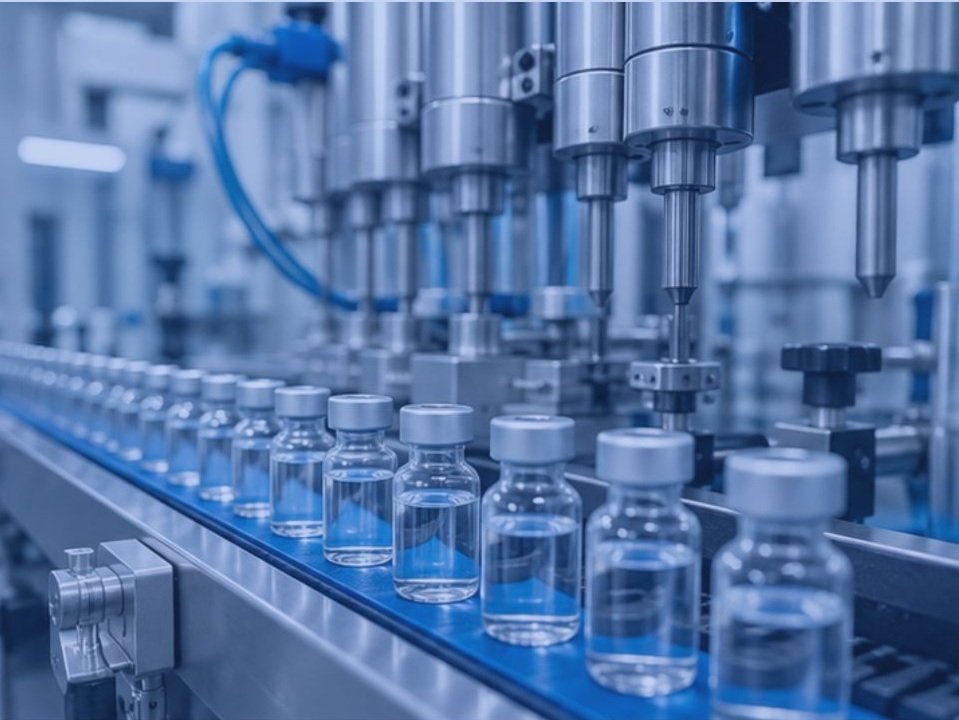
Accredited testing can support formal release and compliance decisions for finished pharmaceutical products, injectables and infusions, raw materials and intermediates, purified water, dialysis fluids and medical device rinsates. CMD provides defined turnaround options, structured reporting and technical follow-up where required.

Method development and validation
New products, reformulations and technology transfers may require more than routine sample analysis. CMD supports product-specific method development and validation, including interference testing, pharmacopoeial alignment and bridging studies for transfer into an internal laboratory.

Supplier qualification and claims
Claims such as “low endotoxin” and “endotoxin-free” do not have a universally standardised numerical meaning. Independent testing provides a defined, reportable result that can be assessed against your own specification, supplier requirements and intended product or process use.
Biopharmaceuticals and LER studies
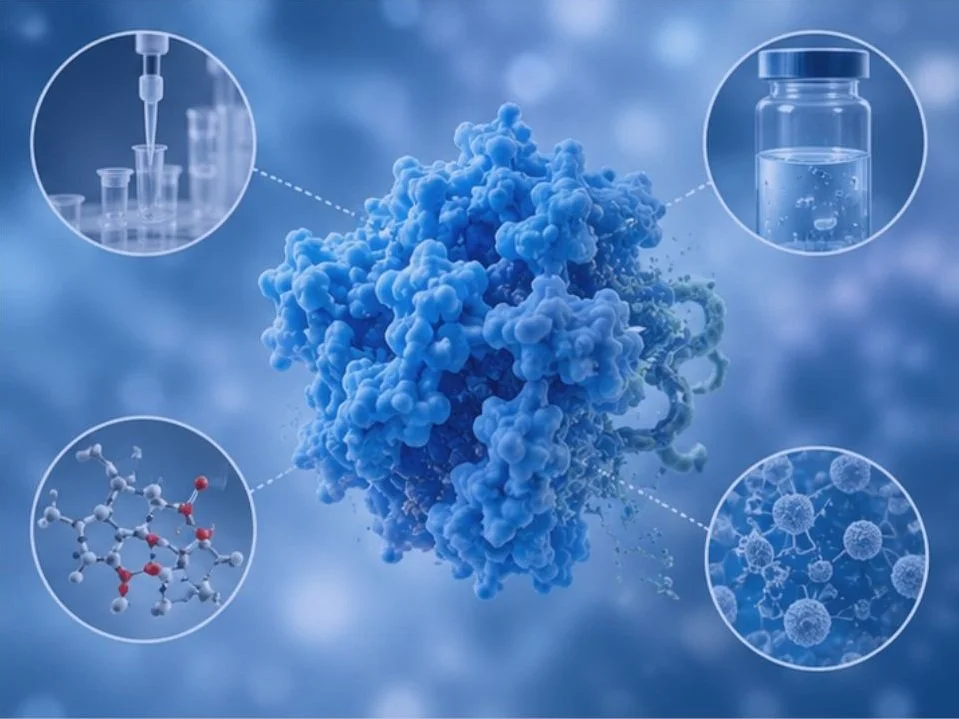
Proteins, surfactants, chelating agents, lipids and other formulation components can inhibit, enhance or mask detectable endotoxin activity. CMD supports low endotoxin recovery hold-time studies, controlled spiking studies, method optimisation and interpretation for biologics and other complex formulations.
CMD is the only UK endotoxin testing centre UKAS-accredited to perform LER hold-time and method optimisation studies.
Accredited testing from a specialist endotoxin laboratory
UKAS laboratory No. 23137
ISO/IEC 17025-accredited testing laboratoryISO 9001-certified quality system
Covering CMD’s endotoxin testing servicesSpecialist endotoxin expertise
Supporting routine pharmaceutical samples and complex biopharmaceutical formulations.Technical support throughout
From initial method assessment to reporting and interpretation.Unique UKAS-accredited LER capability
The only UK endotoxin testing centre accredited to perform LER hold-time and method optimisation studies.
CMD operates a UKAS-accredited testing laboratory in Cardiff, UK, supported by an ISO 9001-certified Quality Management System.
Our services cover routine bacterial endotoxin testing, method development and validation, low endotoxin recovery studies, technical consultancy and troubleshooting.
Latest News and Resources



Talk to CMD about your testing requirement
Get the right accredited endotoxin testing approach for your product, sample and reporting needs.