
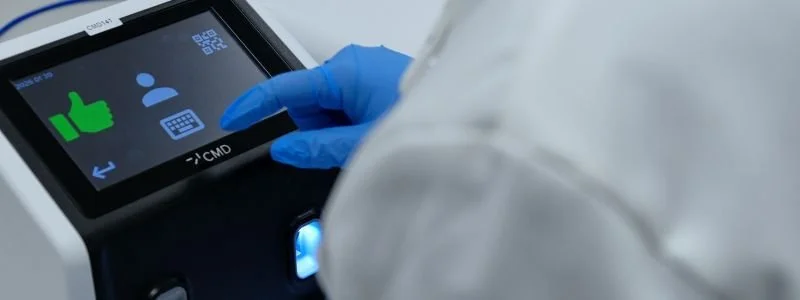
Endotoxin testing for complex and biopharmaceutical products
Reliable endotoxin testing when matrix interference, sample colour or endotoxin masking makes conventional approaches difficult.
When the sample changes,
the testing strategy has to change
Biopharmaceuticals and advanced formulations can behave very differently from conventional pharmaceutical samples during endotoxin testing.
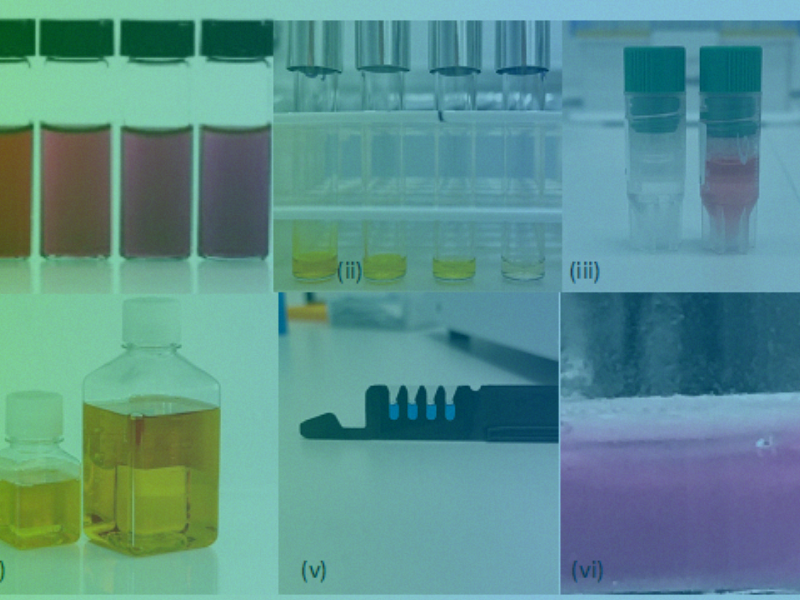
Proteins, surfactants, chelating agents, lipids and other formulation components can interfere with endotoxin detection or contribute to low endotoxin recovery. Coloured, cloudy, particulate or light-scattering samples can create an additional analytical challenge for conventional optical assays.
For these products, obtaining a result is not enough. The method needs to demonstrate that endotoxin can be reliably detected in the product matrix.


Why complex products need a different approach?
-
The product itself can inhibit or enhance the assay response. Dilution often helps, but complex formulations may continue to interfere even after significant dilution.
-
Increasing dilution reduces matrix interference, but it also lowers the endotoxin concentration presented to the assay. Where product endotoxin limits are already low, extensive dilution can push measurements towards the lower end of the assay range and may conflict with maximum valid dilution requirements.
-
Low endotoxin recovery (LER) is a time-dependent reduction in detectable endotoxin activity that has been reported across complex biopharmaceutical modalities. Identifying it requires an appropriate hold-time study rather than a single routine measurement.
-
Chromogenic assays typically measure around 405 nm, where strongly coloured samples can contribute significant background absorbance. Cloudiness, particles and other light-scattering characteristics can also make conventional optical detection more difficult.

A testing approach built around the matrix
There is no single testing strategy for every complex product. CMD can help determine whether the challenge is primarily optical interference, product-specific assay interference, endotoxin masking — or a combination of factors.
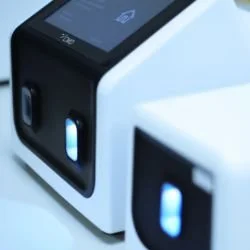
αBET™ uses CMD’s proprietary near-infrared magneto-optical detection technology and has been designed to provide greater resilience to sample colour, opacity and light scattering than conventional optical endotoxin testing formats.
Reduce optical interference with αBET™
For suitable applications, this can reduce the need for extensive sample dilution and make testing possible closer to the original product concentration.
Resolve method suitability with CMD testing services
Where the challenge requires method development, interference assessment, validation or investigation of low endotoxin recovery, CMD provides specialist laboratory support for complex products.
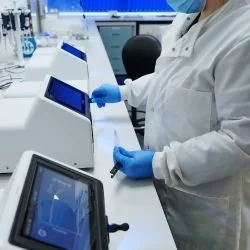
CMD is the only UK endotoxin testing centre UKAS-accredited to perform LER hold-time and method optimisation studies.
Where complex endotoxin testing matters most

Therapeutic proteins and antibodies
Protein-based products and their formulation excipients can interact with endotoxin or interfere with assay performance. Product-specific method suitability becomes particularly important as formulations increase in complexity.

Cell, gene and nucleic-acid products
Cell and gene therapies and nucleic-acid products introduce complex biological matrices where conventional assumptions about endotoxin recovery may not always apply. LER risk and matrix-specific interference should therefore form part of method assessment.

Lipid and nanoparticle formulations
Lipids, nanoparticle colloids and other advanced delivery formulations can create both biological and optical challenges for endotoxin assays. αBET® has been demonstrated with complex biopharmaceutical samples and nanoparticle formulations.

Coloured, cloudy or particulate samples
Highly coloured formulations, opaque liquids, cell suspensions and samples containing particulates can interfere with conventional optical detection. αBET™ provides an alternative detection approach designed for greater resilience to these sample characteristics.
Signals
that your current method needs another look
acceptable spike recovery cannot be achieved without substantial dilution
the required dilution approaches the product's maximum valid dilution
results change significantly between dilutions or testing methods
the sample is strongly coloured, cloudy, opaque or light-scattering
the formulation contains proteins, surfactants, chelators, lipids or other complex excipients
endotoxin recovery decreases during sample hold time
or your current assay cannot reliably test the sample at the sensitivity required
Consider reviewing your endotoxin testing strategy when:
Latest News and Resources


Talk to CMD about your complex sample
If your product is difficult to dilute, difficult to read or difficult to recover endotoxin from reliably, CMD can help identify the right testing route.